A sensory garden is more than just a beautiful outdoor space – it’s a place designed to engage the senses, support wellbeing and encourage meaningful moments in nature. Whether you have a large garden or a small patio, creating a sensory garden at home can be a rewarding way to enhance your outdoor space while supporting mental health, relaxation and connection.
Inspired by the work of Greenfingers Charity, which creates therapeutic gardens for children’s hospices across the UK, you can bring many of the same calming and engaging elements into your own garden. In this guide, we’ll explore how to design a sensory garden that works for your space, your lifestyle and your needs.
What Is a Sensory Garden?
A sensory garden is designed to stimulate the five senses: sight, smell, touch, sound and taste. Unlike traditional gardens, the focus is on interaction and experience rather than appearance alone.
By carefully selecting plants, materials and features, you can create a space that invites exploration and encourages you – and your family – to slow down and enjoy the present moment.
Start with a Simple, Accessible Layout
The foundation of any sensory garden is a layout that feels easy to navigate and welcoming to use.
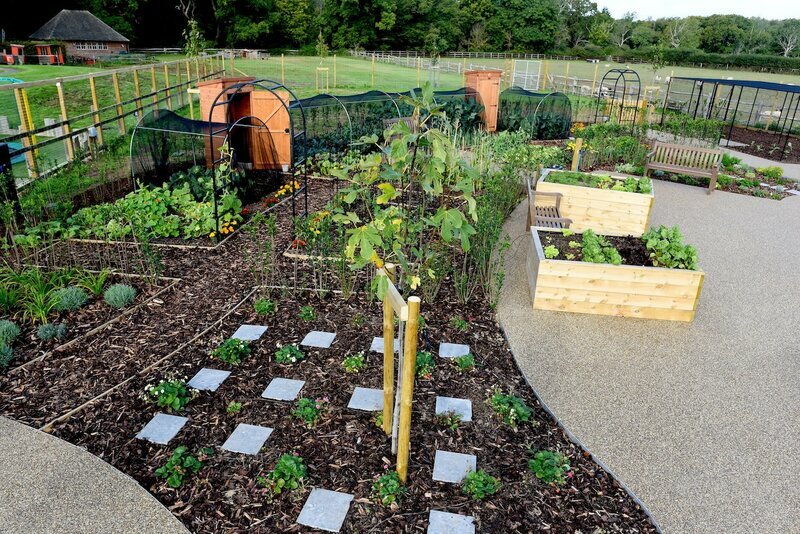
Think about how you move through your space. Curved pathways, open areas and clearly defined zones can help create a sense of flow. If accessibility is important, consider smooth, level surfaces and wide paths that are suitable for wheelchairs or pushchairs.
You don’t need a large space to achieve this. Even a small garden or balcony can be transformed with thoughtful planning.
Engage the Sense of Sight
Visual elements are often the first thing we notice in a garden. Colour, movement and seasonal change all play a role in creating visual interest.
Choose a mix of plants that flower at different times of the year to keep your garden looking vibrant throughout the seasons. Grasses and plants that move in the wind can add a dynamic element, while contrasting colours and shapes help create focal points.
You might also consider adding decorative features such as sculptures, coloured pots or lighting to enhance the visual experience.
Add Fragrance for Calm and Comfort
Scent is one of the most powerful senses when it comes to memory and emotion. Fragrant plants can help create a calming and inviting atmosphere.
Popular choices include lavender, rosemary, thyme and jasmine. Place these near seating areas or along pathways so you can enjoy their scent as you move through the garden.
Crushing leaves gently between your fingers can release even more fragrance, adding an interactive element to your space.
Include Texture for Touch
Texture is a key part of any sensory garden. Incorporating a variety of surfaces and plants encourages hands-on interaction.
Soft grasses, fuzzy leaves and smooth stones all provide different tactile experiences. You could also include materials such as wood, gravel or water to create contrast.
Raised beds or containers can make it easier to reach plants, especially for children or those with limited mobility.
Bring in Sound and Movement
Sound adds another layer to your sensory garden. The gentle rustle of leaves, the buzz of pollinators or the trickle of water can all contribute to a relaxing environment.
Consider adding features such as wind chimes, water fountains or plants that sway in the breeze. Even the sound of gravel underfoot can enhance the overall sensory experience.
Grow Edible Plants for Taste
Adding edible plants introduces a fun and interactive element to your garden. Herbs, fruits and vegetables allow you to engage the sense of taste while also encouraging hands-on gardening.
Strawberries, mint, tomatoes and salad leaves are all great options for beginners. Harvesting and tasting produce straight from the garden can be incredibly satisfying for both adults and children.
Create Spaces to Relax and Reflect
A sensory garden should also include areas where you can pause and unwind. Seating is essential, whether it’s a bench, a chair or even a soft outdoor cushion.
Position seating in a quiet, comfortable spot where you can enjoy the sights, sounds and scents around you. Adding shade, such as a pergola, umbrella or tree, can make the space more usable throughout the day.
Make It Personal and Meaningful
Your sensory garden should reflect your own preferences and needs. Think about what makes you feel calm, happy or inspired.
You might include personal touches such as favourite plants, meaningful objects or features that encourage specific activities like reading, mindfulness or play.
The most important thing is that the space feels welcoming and enjoyable for you and your family.
The Benefits of a Sensory Garden at Home
Creating a sensory garden at home can have a positive impact on both mental and physical wellbeing. Spending time outdoors can reduce stress, improve mood and encourage mindfulness.
For families, it offers a shared space to relax and connect. For children, it provides opportunities for exploration and learning. And for anyone looking to slow down and recharge, it creates a peaceful retreat just outside your door.
Inspired by Hospice Gardens
At Greenfingers Charity, sensory gardens are designed to support children with life-limiting conditions and their families. These spaces demonstrate just how powerful thoughtful garden design can be in improving wellbeing and creating meaningful moments.
By bringing some of these ideas into your own garden, you can create a space that nurtures relaxation, connection and joy.
Support the Power of Gardens
If you’ve been inspired by the idea of sensory gardens, consider supporting the work of Greenfingers Charity. The charity continues to design and build therapeutic gardens for children’s hospices across the UK, helping families access the many benefits of nature.
Your support can help create more spaces where children and families can experience comfort, connection and moments of peace outdoors.
Together, we can grow gardens that truly make a difference.