In today’s fast-paced, often overwhelming world, the importance of mental wellbeing has never been more widely recognised. While there are many approaches to supporting mental health, one of the most powerful – and often overlooked – is time spent in nature. Therapeutic gardening, in particular, offers a gentle yet highly effective way to support emotional wellbeing for people of all ages and abilities.
For children with life-limiting conditions and their families, the impact can be even more profound. Through the work of Greenfingers Charity, hospice gardens across the UK are carefully designed to provide not only beauty, but also meaningful therapeutic benefits that support mental health during incredibly challenging times.
In this guide, we explore how therapeutic gardening works and why it plays such an important role in supporting mental wellbeing.
What Is Therapeutic Gardening?
Therapeutic gardening refers to the use of gardening activities and garden environments to improve physical, emotional and psychological health. It can include everything from planting and watering to simply sitting in a green space and experiencing nature.
In hospice settings, therapeutic gardens are designed to be accessible, sensory-rich and calming. They provide a safe environment where children, families and staff can engage with nature in a way that suits their individual needs and abilities.
Importantly, therapeutic gardening does not require active participation. Simply being present in a garden can have measurable mental health benefits.
Reducing Stress and Anxiety
One of the most immediate benefits of spending time in a garden is a reduction in stress levels. Natural environments help lower cortisol (the body’s stress hormone), slow the heart rate and promote a sense of calm.
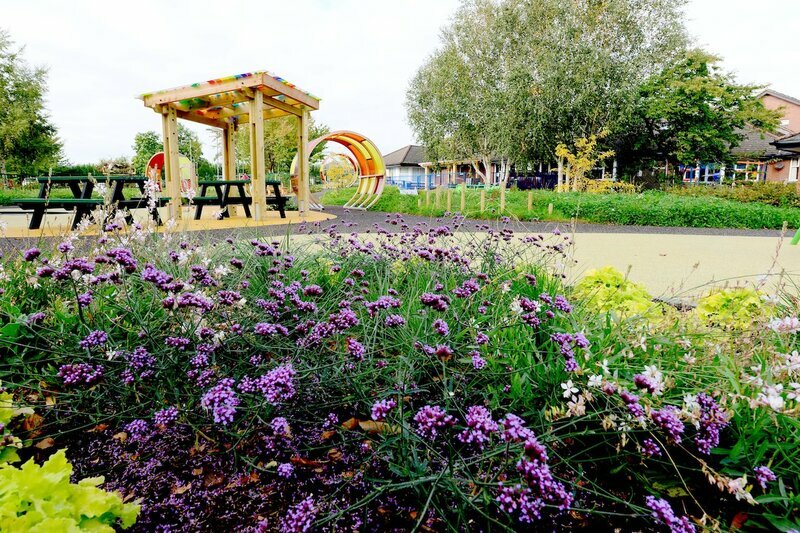
Gardens created by Greenfingers Charity are designed with this in mind. Soft planting, gentle colours, flowing layouts and features such as water or shaded seating areas all contribute to a soothing atmosphere.
For families navigating complex medical situations, even a few minutes in a calm outdoor space can provide a much-needed mental reset.
Encouraging Mindfulness and Presence
Gardening naturally encourages mindfulness – the practice of being present in the moment. Activities such as planting seeds, watering plants or simply observing nature require focus and attention, helping to quiet racing thoughts.
For children and adults alike, this can create a sense of grounding. Watching a plant grow, noticing the movement of leaves in the wind or listening to birdsong helps shift attention away from worries and into the present moment.
In hospice gardens, these small moments of mindfulness can offer emotional relief and a sense of peace.
Supporting Emotional Expression
Gardens can also provide a safe space for emotional expression. For children who may find it difficult to communicate their feelings verbally, interacting with nature can offer an alternative way to process emotions.
Digging, planting or caring for plants can be both soothing and expressive. For parents and carers, gardens provide a private, natural setting where they can reflect, talk or simply sit with their thoughts.
In spaces designed for bereavement and reflection, such as those created by Greenfingers Charity, gardens can play an important role in supporting grief and emotional healing.
Boosting Mood and Wellbeing
Spending time outdoors is closely linked to improved mood and overall wellbeing. Exposure to natural light can help regulate sleep patterns and boost the production of serotonin, often referred to as the “feel-good” hormone.
Gardening activities also provide a sense of purpose and achievement. Planting something and watching it grow can be incredibly rewarding, particularly for children who may have limited opportunities for independence in other areas of life.
Even small interactions – like picking a flower or watering a plant – can create moments of joy and accomplishment.
Strengthening Social Connections
Therapeutic gardens are often shared spaces, making them ideal for encouraging connection and interaction. Families can spend time together outdoors, siblings can play side by side, and conversations can flow more naturally in a relaxed environment.
For hospice staff and volunteers, gardens also provide a supportive space to engage with families in a less formal setting. This can help build trust and strengthen relationships.
Shared gardening activities, such as planting or maintaining a garden, can further enhance this sense of connection.
Supporting Children with Complex Needs
For children with complex medical needs, therapeutic gardening offers unique benefits. Sensory-rich environments allow children to engage with the world around them in ways that suit their abilities.
Textures, colours, scents and sounds all provide gentle stimulation, while accessible design ensures that children using wheelchairs or medical equipment can still interact with the garden.
These experiences can support both emotional wellbeing and cognitive development, while also providing moments of enjoyment and exploration.
The Role of Garden Design in Mental Health
The effectiveness of a therapeutic garden depends heavily on its design. Every detail – from layout and planting to seating and accessibility – plays a role in how the space is experienced.
Greenfingers Charity works closely with designers and hospices to create gardens that:
- Feel safe, welcoming and inclusive
- Offer a balance of activity and quiet reflection
- Provide year-round interest through seasonal planting
- Include sensory features that engage multiple senses
- Ensure full accessibility for children with complex needs
These carefully considered elements help maximise the mental health benefits of each garden.
The Lasting Impact of Therapeutic Gardens
The impact of therapeutic gardening extends far beyond individual moments spent outdoors. For many families, hospice gardens become places where meaningful memories are made – moments of laughter, reflection, connection and peace.
They offer a sense of normality in difficult circumstances and provide ongoing emotional support for children, families and staff alike.
Through every garden created, Greenfingers Charity helps bring these benefits to life, transforming hospice grounds into spaces that nurture both body and mind.
Help Us Grow More Healing Spaces
Therapeutic gardens have the power to improve mental wellbeing, support emotional health and create moments of joy for families facing incredibly challenging circumstances.
With your support, Greenfingers Charity can continue to design and build these vital spaces for children’s hospices across the UK.
If you would like to help bring the benefits of therapeutic gardening to more children and families, please consider making a donation or getting involved in one of the charity’s fundraising initiatives.
Together, we can continue creating gardens that support mental health, inspire connection and provide comfort when it is needed most.