For children with complex medical needs, everyday experiences can look very different from those of other children. Hospital visits, medical equipment and limited mobility can often shape their daily lives. Sensory gardens offer something incredibly valuable in this context: a safe, accessible outdoor environment where children can explore, relax and connect with the natural world.
For many families supported by children’s hospices, a thoughtfully designed garden becomes far more than a green space. It becomes a place of comfort, discovery and precious shared moments. Through the work of Greenfingers Charity, hospice gardens across the UK are carefully designed to provide meaningful sensory experiences that support children with a wide range of needs.
In this guide, we explore why sensory gardens are so beneficial for children with complex conditions and how these carefully designed spaces can transform hospice environments.
What Is a Sensory Garden?
A sensory garden is an outdoor space designed to stimulate the five senses: sight, smell, touch, sound and sometimes taste. Unlike traditional gardens, sensory gardens focus on accessibility, interaction and engagement.
For children with complex needs, this type of garden is particularly valuable. Elements such as textured planting, fragrant flowers, water features and accessible pathways encourage children to explore the environment in ways that suit their abilities.
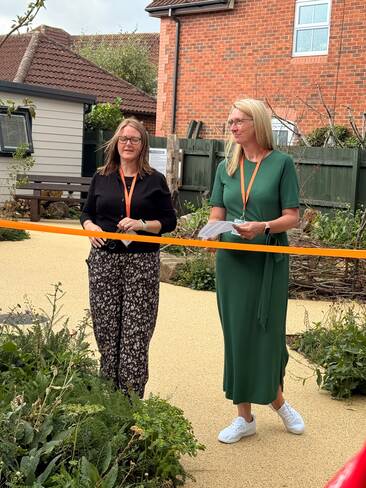
In hospice settings, sensory gardens are designed so that children in wheelchairs, beds or mobility aids can still interact with nature. Raised beds, wide pathways and sheltered areas make it possible for every child and family member to enjoy the space comfortably.
Encouraging Sensory Stimulation
Children with complex medical needs may experience the world differently. Sensory gardens provide gentle, positive stimulation that can help children engage with their surroundings in a safe and enjoyable way.
Plants with different textures invite touch, while colourful flowers provide visual stimulation. Fragrant plants such as lavender, rosemary or thyme can create calming scent experiences, and water features add soothing sounds.
These sensory interactions can be particularly meaningful for children who may have limited opportunities for exploration in other environments.
Supporting Emotional Wellbeing
Spending time in nature has well-documented benefits for mental and emotional wellbeing. For families facing difficult circumstances, a garden can offer a much-needed sense of peace.
Hospice gardens provide a space where children and their families can step away from the clinical setting and spend quiet time together outdoors. The natural environment can reduce stress, encourage relaxation and provide moments of calm.
For parents and siblings, the garden can also become a place to talk, reflect or simply enjoy a few peaceful moments together.
Promoting Gentle Movement and Exploration
Many sensory gardens include accessible features that allow children with mobility challenges to move through the space comfortably. Wide paths, smooth surfaces and carefully positioned seating help ensure that children using wheelchairs or medical equipment can safely explore the garden.
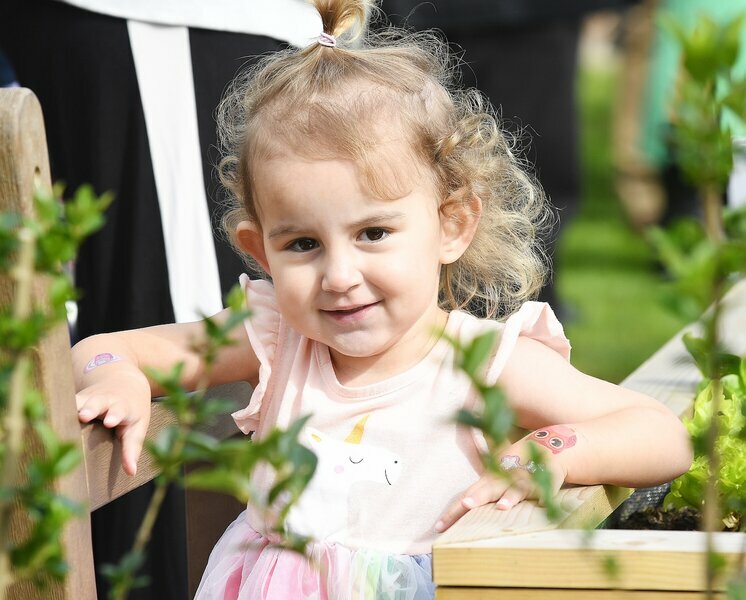
Raised planting beds allow children to touch flowers and plants without needing to bend down, while interactive elements such as wind chimes, textured walls or water features encourage gentle exploration.
Even small movements – reaching out to touch a leaf or feeling water on the hands – can provide important sensory and physical engagement.
Creating Opportunities for Family Connection
One of the most powerful benefits of hospice gardens is the opportunity they provide for families to spend meaningful time together.
Inside a hospice, much of the focus is understandably on medical care. Gardens create a different kind of space – one where families can simply be together. Children can play, parents can relax and siblings can explore the environment alongside them.
These shared experiences help create positive memories that families can cherish.
The Role of Garden Design in Accessibility
Design plays a crucial role in ensuring sensory gardens work for children with complex needs. Every feature must be carefully considered to ensure accessibility and comfort.
Common design elements in hospice sensory gardens include:
- Level, wheelchair-friendly pathways
- Raised planting beds for easy interaction
- Shaded seating areas for rest and protection from the sun
- Interactive sensory features such as water, textures and sound elements
- Seasonal planting that keeps the garden engaging year-round
Through thoughtful design, gardens become spaces where children of all abilities can safely experience nature.
The Impact of Hospice Gardens
For many families, hospice gardens quickly become one of the most loved areas of the hospice. They provide a place where children can experience the simple joys of nature – feeling the warmth of the sun, watching butterflies or smelling flowers in bloom.
These moments might seem small, but for families navigating complex medical challenges, they can be incredibly meaningful.
The gardens also support hospice staff, providing a calming environment where therapeutic activities, family gatherings or quiet reflection can take place.
How Greenfingers Charity Is Making a Difference
Greenfingers Charity is dedicated to creating beautiful outdoor spaces for children’s hospices across the UK. By designing and building therapeutic gardens, the charity helps ensure that children with life-limiting conditions and their families can experience the benefits of nature.
Each garden is created in close collaboration with hospice teams, designers and landscapers to ensure the space truly meets the needs of the children who will use it.
These projects are only possible thanks to the generosity of supporters, partners and fundraisers who believe in the healing power of gardens.
Help Us Grow More Hospice Gardens
Every sensory garden created by Greenfingers Charity provides comfort, joy and connection for families facing incredibly difficult circumstances.
But many hospices still need support to create these vital outdoor spaces.
If you would like to help bring the benefits of sensory gardens to more children and families, please consider supporting Greenfingers Charity. Your donation can help transform hospice grounds into beautiful, accessible environments where children with complex needs can explore, relax and simply enjoy being outdoors.
Together, we can continue creating gardens that make a lasting difference.